

Rustic vs Farmhouse Decor: What's the Difference and Which Suits Your Home?
Two living rooms can both feel warm and lived-in and still be doing quite different things. One is all chunky oak, creased leather and a fireplace that has clearly seen decades of use. The other has a scrubbed pine table, painted cupboards and an enamel jug of tulips on the windowsill. Rustic and farmhouse share the same rural starting point, but they pull in opposite directions: one towards age and imperfection, the other towards light and order. Knowing which one you are actually drawn to makes shopping, painting and rearranging far easier.
Rustic Decor: Character Before Polished
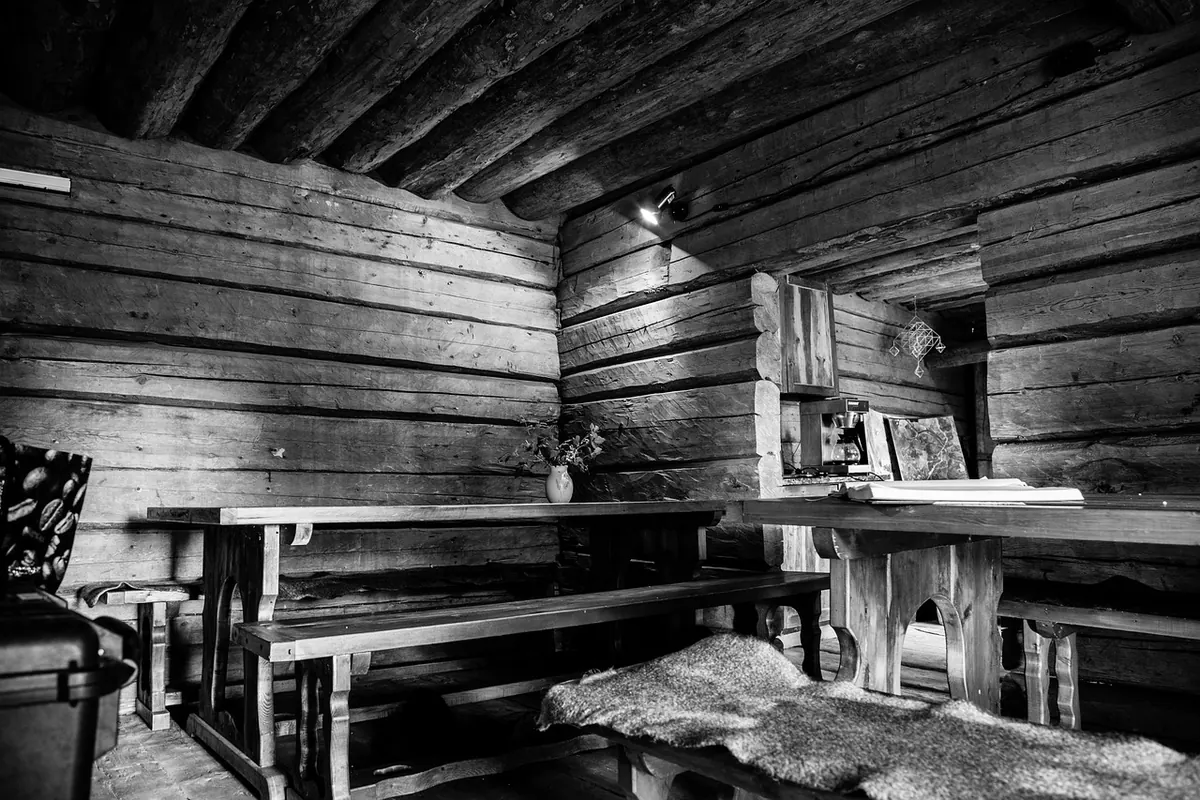
A rustic room looks as though it grew rather than being assembled. Exposed beams, wide-plank floorboards with knots and gaps, limewashed plaster, an old pine dresser that has been in the family for years. Nothing is quite straight and nothing matches exactly, which is the whole point.
The materials are raw and honest: solid wood with visible grain, stone, slate, terracotta, wrought iron, wool, linen, leather that creases where people sit. Colours stay earthy and muted — deep brown, olive, russet, charcoal, ochre, moss green. Furnishings are substantial. A trestle table, a deep linen sofa, a chunky reclaimed coffee table that takes two people to move.
The risk is heaviness. Rustic can tip into gloom if you let every surface go dark and busy. Leave some walls bare, keep floor space clear, and use several low lamps rather than one bright ceiling light. A single pale linen throw on a dark leather chair does more for the room than another wooden accessory.
Farmhouse Decor: Rural, Refined
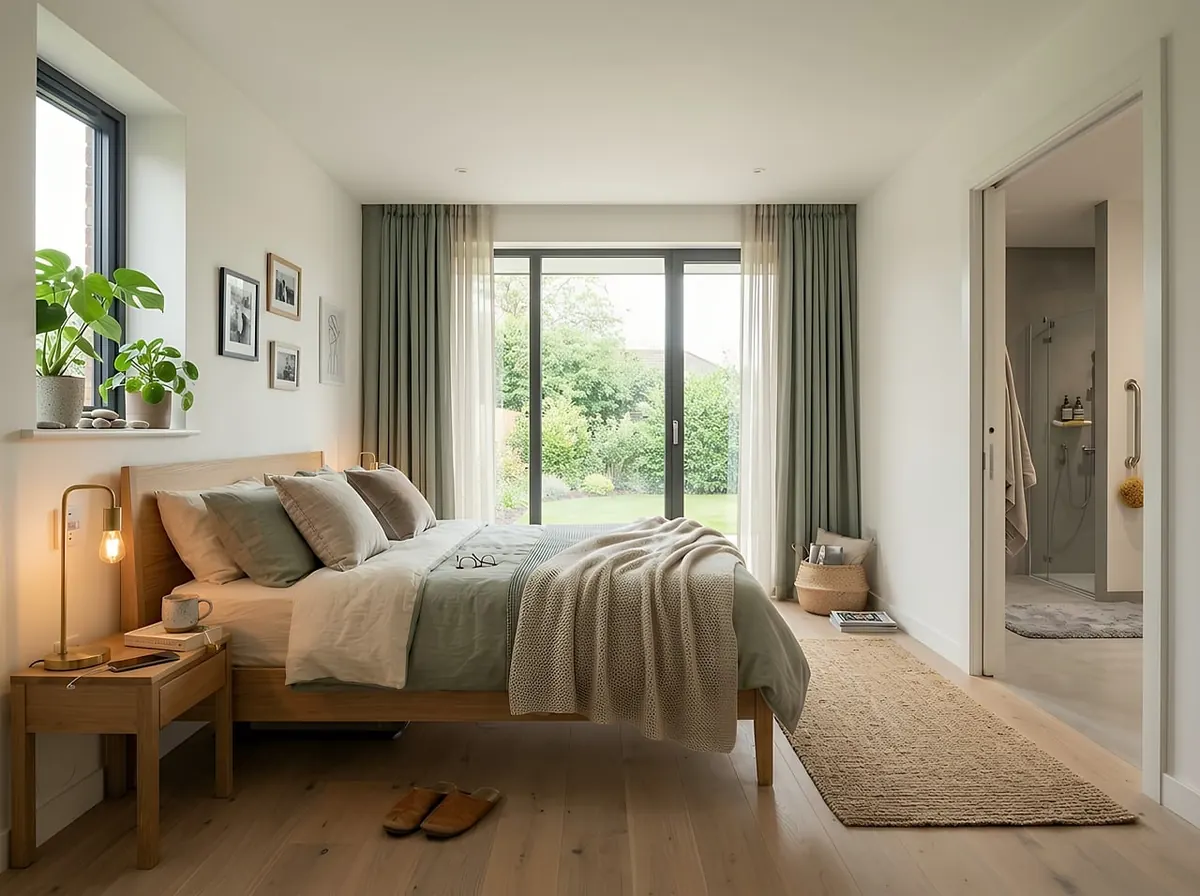
Farmhouse style comes from working buildings too, but it has been swept, painted and given a coat of white. Think of a farmhouse kitchen with a scrubbed pine table, painted Shaker cabinets, an apron-front sink and a row of glass jars on open shelving.
Where rustic celebrates the knot in the wood, farmhouse smooths it out. Painted furniture replaces bare timber. White, cream, soft grey and gentle sage replace deep earth tones. Cotton, ticking stripe and waffle weave replace heavy wool. It is still practical and unfussy, just tidier and brighter.
The finishes that define it
Farmhouse styling lives or dies on surface finishes. Chalky matte paint on a dresser, whitewashed brick, tongue-and-groove panelling, a butcher-block worktop, plain white ceramics. Shiny varnish and high-gloss surfaces fight the look; anything with a soft, powdery finish supports it.
Materials and Textures, Side by Side
The quickest way to tell the two apart is to look at what things are made of and how they have been treated.
- Wood: rustic favours reclaimed boards, waney-edge shelves and oiled oak with visible knots. Farmhouse favours painted pine, scrubbed bare table tops and whitewashed floorboards.
- Metal: rustic uses aged brass, rusted iron and hand-forged hardware. Farmhouse uses matte black handles, enamelware, galvanised buckets and simple wire baskets.
- Textiles: rustic layers chunky wool, sheepskin, heavy linen and worn leather. Farmhouse uses cotton, ticking stripe, gingham, waffle throws and loose slipcovers.
- Stone and tile: rustic goes for flagstone, terracotta and uneven slate. Farmhouse prefers plain ceramic, white brick and simple square tiles.
- Lighting: rustic suits iron pendants, candle-style wall lights and lanterns. Farmhouse suits painted metal pendants, glass shades and simple fabric flexes.
Colour and Light
Rustic palettes are drawn from the landscape in late autumn: bark, moss, clay, stone, faded green. You can add a shot of deep red or mustard, but keep the base warm and dark so the room feels cocooning. These colours hold up well in north-facing or low-light rooms, which is why rustic suits older cottages so naturally.
Farmhouse palettes are drawn from a bright morning: white, cream, pale grey, duck-egg blue, soft sage, with natural wood as the warmth. Because the base is so light, farmhouse rooms need decent daylight to feel fresh. If your room is dim, a wall of cream can turn grey and flat, so test a sample patch on two walls and check it in the morning and again after dark before you commit to a whole room.
The Details That Give the Game Away
Once the furniture is in place, the small things do most of the talking.
- Rustic: a stoneware crock of dried hydrangeas, a stack of logs by the hearth, hand-thrown pottery, an old wooden bowl on the table, a wool rug that has faded unevenly.
- Farmhouse: an enamel jug of fresh flowers, vintage scales on a shelf, glass storage jars, a wire egg basket, a chalkboard, a striped tea towel left out on purpose.
- Both: open shelving, woven baskets, well-used chopping boards and a general lack of fuss.
Notice how much of that overlap there is. Both styles are rooted in usefulness, which is why they sit together so comfortably.
Where They Meet, and How to Mix Them
Most real homes are a blend. Pick a base style and let the other one come in at around twenty per cent. White-painted walls, panelling and simple cabinetry as your farmhouse base, for example, with a reclaimed oak dining table, an iron pendant and a leather armchair doing the rustic work. Or reverse it: stone walls and dark beams, softened with cream linen slipcovers, painted chairs and pale ceramics.
The trick is consistency of finish. Keep every piece of painted furniture in the same family of whites and off-whites, and keep every piece of bare wood similarly oiled or waxed. Mismatched finishes, not mismatched styles, are what make a room look muddled.
Which One Suits Your Home?
Answer three questions honestly. How much natural light does the room get? How old is the building, and does it already have exposed beams, stone or brick? How much upkeep can you live with — rustic timber needs oiling and waxing, whereas painted farmhouse surfaces need touching up when they chip?
If you are torn, resist redecorating the whole room at once. Style one shelf or one corner in each direction and live with them for a fortnight. You will soon notice which one you keep adding to and which one you quietly stop noticing. Then spend your money there, and let the other influence appear in small, forgiving ways: a striped cushion, a wool runner, a single vintage jug.
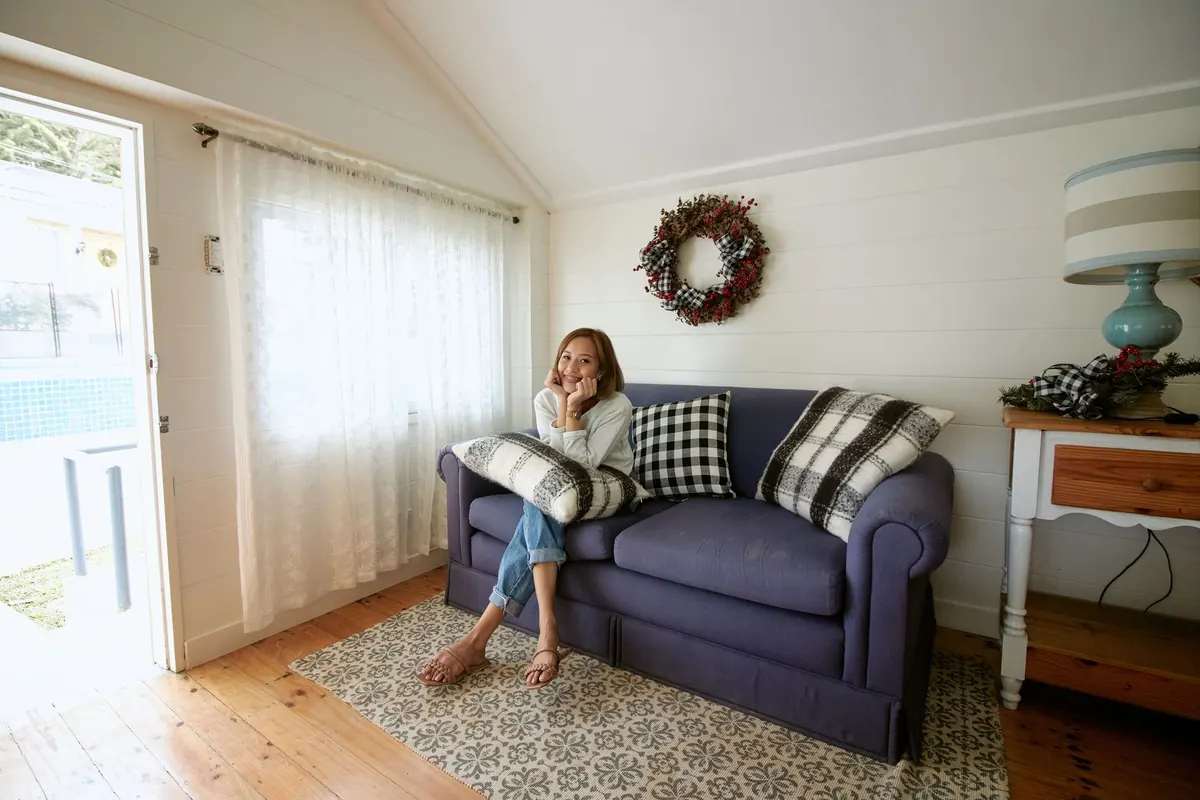
Photo: Jeff Vinluan / Pexels